common law severance apply after constructive dismissal
Does common law severance apply after constructive dismissal? This is a vital question for employees who have not been formally fired but feel forced to resign because their employer has fundamentally changed their working conditions. Constructive dismissal occurs when an employer makes significant unilateral changes to essential terms of employment, such as salary, job duties, hours, location, or workplace safety, leaving the employee with no reasonable option but to resign. In the eyes of the law, this type of resignation is treated as a termination. Because of that legal treatment, employees who successfully establish constructive dismissal are generally entitled to the same common law severance rights as those who are explicitly dismissed without cause.
Once constructive dismissal is proven, the employer’s actions are considered a breach of the employment contract. The employee is therefore entitled to compensation in lieu of reasonable notice, which is the foundation of common law severance. Courts assess this compensation using factors such as the employee’s age, length of service, position, and the availability of comparable employment. This approach highlights an important difference in Statutory vs common law severance federal systems, since statutory severance typically depends on strict eligibility rules, while common law severance responds to the actual circumstances of the termination, including whether the dismissal was constructive rather than direct.
Employees who experience constructive dismissal may also qualify for statutory termination pay or statutory severance, depending on local legislation and their length of service. However, statutory entitlements often represent only the minimum protection available. Common law severance frequently results in significantly higher compensation because it is designed to reflect the real impact of the termination on the employee’s career and income. This is why many constructive dismissal claims focus on securing common law severance rather than limiting recovery to statutory amounts. When comparing Statutory vs common law severance federal remedies, the flexibility and breadth of common law protection become particularly important for employees whose working conditions have been undermined over time rather than through a single termination event.
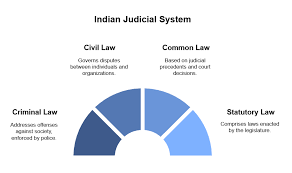
Does common law severance apply after constructive dismissal?
Employers sometimes argue that an employee who resigns cannot claim severance. However, resignation does not defeat a claim when the resignation is the direct result of the employer’s conduct. Courts carefully examine whether the employer’s changes were substantial and whether the employee responded within a reasonable time. If the employee continues working for too long without objection, the court may find that the employee accepted the new terms, weakening the constructive dismissal claim. For this reason, employees facing major changes to their job should seek legal advice quickly to preserve their right to common law severance.
Constructive dismissal can arise from many scenarios, including demotion, significant pay cuts, unsafe working environments, harassment, forced relocations, or elimination of core job responsibilities. When these actions fundamentally alter the employment relationship, the employee is not required to tolerate them. If the court agrees that the employer’s conduct crossed the legal threshold, the employee is treated as wrongfully dismissed and awarded common law severance accordingly.
In conclusion, common law severance does apply after constructive dismissal when the employee proves that the employer’s conduct effectively terminated the employment relationship. The law recognizes that termination does not always occur through an explicit firing and that employees deserve protection when forced out through unfair changes. Viewed through the lens of Statutory vs common law severance federal principles, constructive dismissal demonstrates the essential role of common law in ensuring that severance rights remain responsive to real workplace conditions rather than limited by narrow statutory definitions.