high performance flooring reduce downtime
Operational downtime is a major concern for businesses across industrial, commercial, and institutional sectors, as it directly affects productivity, revenue, and safety. This leads many decision-makers to ask, Does high performance flooring reduce downtime? Flooring may seem like a minor detail, but in demanding environments, the right flooring system plays a crucial role in keeping operations running smoothly and without interruption.
High performance flooring is designed to withstand heavy use, which significantly reduces the need for frequent repairs or replacements. In facilities such as manufacturing plants, warehouses, and distribution centers, floors are constantly exposed to heavy machinery, foot traffic, and material movement. When standard flooring fails, sections may need to be closed off for repair, causing operational delays. High performance flooring maintains its integrity under these stresses, minimizing unexpected failures that can halt operations.
Another key factor in reducing downtime is installation and curing efficiency. Many high performance flooring systems are engineered for fast installation and rapid curing, allowing areas to return to service quickly. This is especially beneficial in environments that operate around the clock, where extended shutdowns are costly. Faster return-to-use means businesses can maintain productivity while upgrading or maintaining their facilities.
Maintenance requirements also have a direct impact on downtime. Traditional flooring often requires extensive cleaning, resurfacing, or periodic refinishing that disrupts daily operations. High performance flooring is typically easier to clean and maintain, with surfaces that resist stains, chemicals, and wear. Routine maintenance can often be performed without shutting down entire areas, allowing operations to continue uninterrupted.
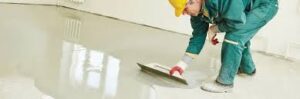
Does high performance flooring reduce downtime?
Durability against chemical exposure further supports reduced downtime. In industries such as food processing, pharmaceuticals, and manufacturing, chemical spills are common and can quickly damage conventional flooring. High performance flooring is formulated to resist a wide range of chemicals, preventing surface degradation that would otherwise require immediate repairs. This chemical resistance helps maintain safe, functional surfaces without sudden interruptions.
Safety-related downtime is another important consideration. Slips, trips, and falls can lead to injuries, investigations, and temporary closures. High performance flooring often incorporates slip-resistant properties that remain effective even in wet or oily conditions. By improving workplace safety, it helps reduce accidents that could result in operational stoppages or restricted access to certain areas.
Environmental resilience also contributes to consistent operations. Temperature fluctuations, moisture, and heavy cleaning routines can cause traditional floors to crack or delaminate, leading to unplanned repairs. High performance flooring is designed to handle these environmental stresses, ensuring long-term stability and reducing the likelihood of emergency maintenance that disrupts workflow.
Over time, the reliability of high performance flooring translates into predictable operations. Facility managers can plan maintenance schedules more effectively, knowing the flooring will perform consistently without sudden failures. This predictability reduces downtime and allows businesses to focus on productivity rather than reactive repairs.
Overall, high performance flooring plays a significant role in reducing downtime by offering durability, fast installation, low maintenance, and enhanced safety. By minimizing interruptions caused by floor damage, repairs, or accidents, it supports continuous operations and long-term efficiency, making it a strategic investment for facilities that cannot afford frequent disruptions.