semaglutide injections
In recent years, the medical field has seen an increasing demand for effective solutions to address obesity and weight-related issues. Among the newest and most promising treatments are semaglutide injections, which have gained significant attention for their ability to help individuals reduce food cravings and manage weight. To truly understand how semaglutide injections work to control appetite, it is important to examine the science behind them, their impact on the body, and why so many patients are turning to this therapy for sustainable weight loss.
Semaglutide is a medication that mimics a natural hormone in the body known as GLP-1, or glucagon-like peptide-1. This hormone is normally released in response to eating, and it plays a crucial role in regulating hunger and blood sugar. When someone receives semaglutide injections, the medication binds to GLP-1 receptors in the brain and gut, sending signals that reduce appetite and increase feelings of fullness. This is one of the most significant ways in which semaglutide helps people manage their eating habits, making it easier to stick to a reduced-calorie diet without the overwhelming sense of hunger that often sabotages weight loss efforts.
Another critical element in understanding How Semaglutide Injections Work to control appetite lies in their ability to slow down gastric emptying. Normally, food moves through the stomach at a relatively steady pace, but semaglutide alters this process, keeping food in the stomach for a longer period of time. This extended digestion not only helps stabilize blood sugar levels but also prolongs the sensation of fullness after meals. For people who struggle with frequent snacking or overeating, this effect can be a powerful tool in reducing calorie intake and promoting healthier eating patterns.
When discussing how semaglutide injections work, it is also necessary to consider their broader impact on metabolism and overall health. Beyond appetite suppression, semaglutide improves the body’s response to insulin, which helps regulate blood sugar levels more effectively. This dual action—curbing hunger and enhancing glucose control—makes semaglutide particularly beneficial for individuals who are overweight and at risk of type 2 diabetes. By reducing both food cravings and insulin resistance, semaglutide addresses two of the biggest challenges in weight management and metabolic health.
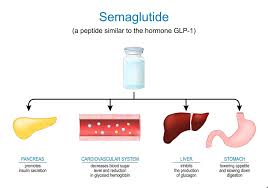
How semaglutide injections work to control appetite?
The psychological benefits of semaglutide should not be overlooked when analyzing how semaglutide injections work to control appetite. For many people, dieting is often associated with constant hunger, irritability, and an ongoing battle with food cravings. Semaglutide alleviates much of this struggle by naturally reducing the desire to eat. Patients frequently report that they feel less preoccupied with thoughts of food, making it easier to make mindful choices and avoid overeating. This psychological shift can be just as important as the physical effects in supporting long-term weight loss.
Clinical research has provided strong evidence for the effectiveness of semaglutide in appetite control. In multiple studies, patients who received semaglutide injections not only experienced significant weight loss but also reported reduced cravings for high-calorie foods. The consistency of these results highlights how semaglutide injections work in both a biological and behavioral sense, creating a comprehensive approach to managing weight. This has made the medication an attractive option for individuals who have tried traditional diets without lasting success.
It is also worth noting that semaglutide is not a quick fix, but rather a supportive tool in a larger weight management journey. To maximize the benefits of how semaglutide injections work, patients are encouraged to adopt healthier eating habits and incorporate regular physical activity. The medication provides a foundation by controlling appetite and reducing hunger signals, but lifestyle choices play a critical role in ensuring long-term results. When combined with a balanced diet and exercise, semaglutide offers a sustainable path toward healthier living.
For many individuals, the appeal of semaglutide injections lies in their ability to bridge the gap between willpower and biological hunger. Traditional dieting often fails because the body resists calorie restriction by intensifying hunger signals. Understanding how semaglutide injections work to control appetite sheds light on why this therapy is so effective: it quiets the body’s resistance, making it possible for people to reduce calorie intake without feeling deprived. By aligning the body’s natural signals with weight loss goals, semaglutide provides an opportunity for long-term success that is not dependent solely on willpower.
In conclusion, the effectiveness of semaglutide comes from its ability to mimic natural hormones, slow digestion, regulate blood sugar, and reduce psychological cravings. When looking at how semaglutide injections work to control appetite, it becomes clear that this treatment addresses multiple aspects of hunger and metabolism, giving patients a powerful tool in their weight loss journey. While it is not a replacement for healthy habits, semaglutide offers a scientifically supported method to help people overcome the barriers that make dieting so challenging. For anyone struggling with appetite control and weight management, understanding how semaglutide injections work provides insight into why this treatment is considered one of the most promising advances in modern healthcare.